Learning hub · Beginner
Why decentralized digital scarcity matters, and what it does not guarantee.
8 min · Guide
Independent education, research and risk literacy for the digital asset era. No hype. No price promises.

Start with simple explanations of Bitcoin, blockchains, wallets and practical network use.
24 guides · Learning hub

Recognize phishing, dangerous signatures, misleading promotions and custody mistakes.
27 guides · Security center


Separate market indicators, token supply, liquidity, leverage and speculation.
24 guides · Market literacy


Weigh evidence, incentives and counterarguments before you form a view.
25 guides · Research library
Saved only in this browser.
Also using: 0 guides read and 0 saved in this browser.
Not enough information yet, so here are our editors’ picks. Choose a level or topic to personalise.




Why decentralized digital scarcity matters, and what it does not guarantee.
Those words can move the coins. A password on the app is not a second copy.
Who holds the keys, what recovery means and how to choose carefully.
You can sign once and the contract can pull tokens afterwards.
A practical checklist for links, wallets and signatures.
A quote is a moment. The trade can clear at a worse number.
Blocks, hashes, consensus and the limits of a distributed ledger.
The address can be shared. The private key must not.
A programmable network with fees, accounts and application risk.
If the device cannot show the message, you are approving something you cannot read.
Reserves, redemptions, depegs and chain-specific considerations.
If the keys can sign while the device is online, the wallet is hot.
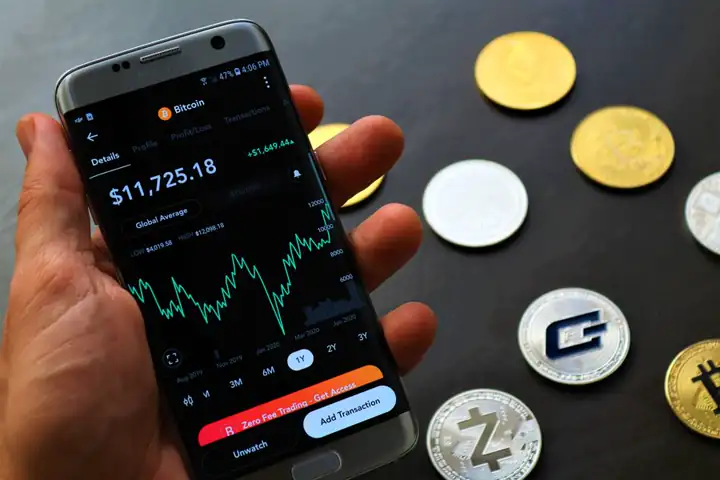
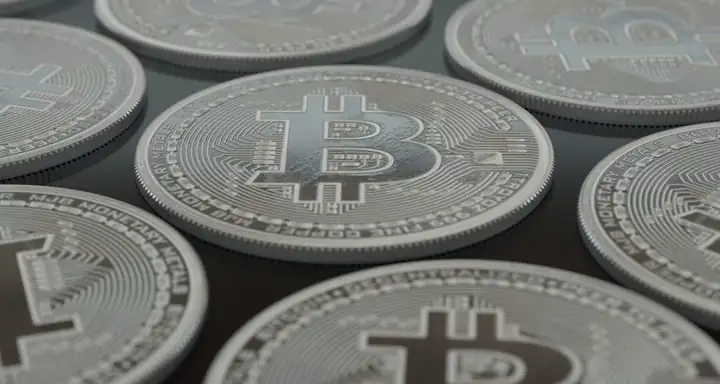
Rows of Bitcoin-themed souvenir coins. Real bitcoin exists only as entries on a shared ledger; physical coins like these are novelty items.

Someone opens a blockchain app on a laptop. Before using any app, check the address bar and the permissions it requests.
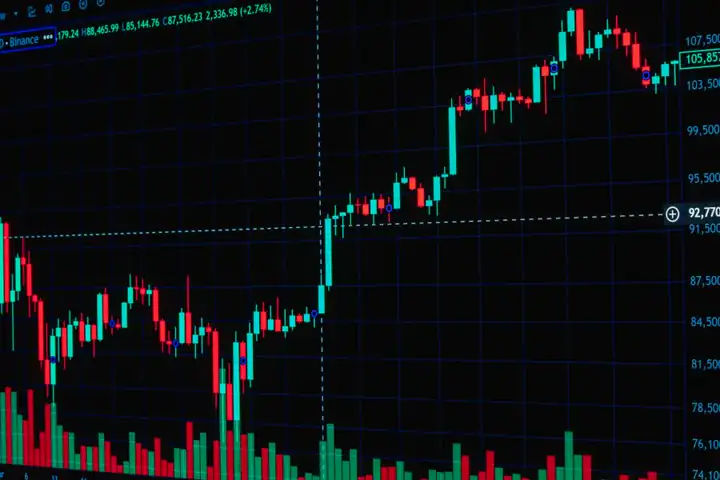

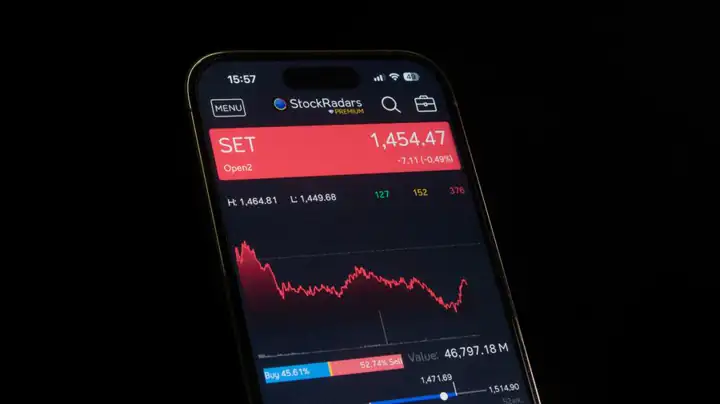
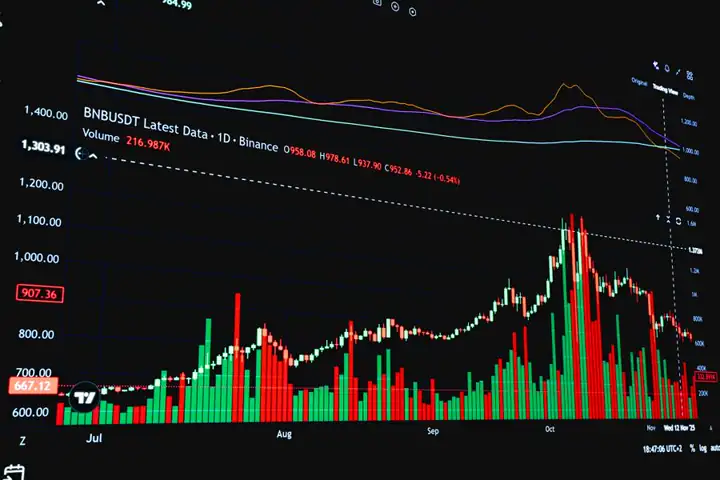
Crypto price and volume charts updating on trading screens. Fast-moving charts can encourage rushed decisions, so set your limits before you look.
A staged scene of someone typing in a dark room. Real attacks are rarely this dramatic: they usually arrive as convincing emails, messages and fake support accounts.
A small Bitcoin logo figure on a wooden table. Branding is everywhere, but what matters is the open network of computers and the rules they enforce.


A spinning Ethereum-style coin against falling green code. Ether pays for computation on Ethereum; the code in this clip is decorative, not a real contract.
Rack-mounted servers with blinking status lights. Many independent computers each keeping a copy of the ledger is what makes a blockchain hard to rewrite.
Program output scrolling in a terminal window. Smart contracts execute their code as written, including any bugs, so audits and track records matter.
Choose a question. Three guides and a checklist appear at once, and saved schemes come back after a refresh.
What is actually scarce?
Guides on this desk: Market capitalization vs token supply, Bitcoin, plainly explained, How to read tokenomics
None saved yet.
Saved on this device as a learning sketch.
What should you never share with a support agent?
A simple educational checklist. This is not a token audit, investment rating or guarantee of safety.
No. CRYPTOVISTA is an independent learning library. It does not run an exchange, sell tokens, hold assets, connect to wallets or take payments.
No. The guides explain concepts and were last reviewed in October 2026. Prices, rules and products change, so read the named document again before you act.
Only in this browser. Your language, theme, saved guides, reading history, preferences, local profile and sound settings stay on this device. Clearing browser data removes them, so you can export a backup first.
It uses simple local rules: the level and topics you chose, plus the guides you read and saved. You can edit or clear what it uses at any time.
English is the reference version. The other 34 languages are machine-translated, with key interface terms reviewed. If a passage is unclear, switch to English to compare.
CRYPTOVISTA pauses on a quiet page so you can ask who published it, what you would be approving, and whether you can leave. You open the next page yourself. If you stay, the pause finishes and you remain here.
No. A guide can explain staking, airdrops, or contracts. CRYPTOVISTA does not stake, pay yield, send tokens, or connect a wallet.
No. Free tokens can still sit behind a signature or an approval. Read what you are being asked to allow. Do not send coins to unlock a claim.
CRYPTOVISTA is an independent educational publication. It does not operate an exchange, sell tokens, provide custody, promise returns, collect wallet keys or display live market prices. Each guide focuses on verifiable concepts and decision risks, and names a document you can read yourself.
Last reviewed: October 2026. Read further in: Bitcoin white paper · Ethereum.org · Investor.gov · Chainalysis crypto crime research